
There are so many Mexican design brands creating beautiful, thoughtful objects, but these three particularly caught my attention, and made me want to bring them into the Fely Home catalog.
Here’s why.
02. Ila Cerámica
 Like many of us, Camila first turned to clay as a form of release, a way to slow down, reconnect with her creativity, and simply let go.
What began as a personal practice of silence and time at the wheel, eventually became a ceramics studio, and later, a brand.
She sees the wheel as a therapeutic tool exploring forms inspired by the human body, nature and feminine archetypes.
She also studied psychotherapy, and what makes her work so compelling is how she brings these two worlds together, ceramics and emotional exploration.
My favorite collection is Acoustic Materiality.
In this body of work, Camila uses ceramics and sound to ask:
How can we experience our contact with matter when we cannot see it?
Her research explores sound as a way of revealing what exists within matter, beginning with two questions:
What possibilities does sound offer us as a form of contact?
And what role does memory play in our experience of sound and space?
Camila proposes a different way of experiencing ceramics.
Instead of:
Eye → Hand → Clay → Object
She proposes:
Ear → Vibration → Matter → Memory → Perception
The piece is no longer understood only through how it looks or feels, but through how it sounds, and the memories that come with that sound.
It becomes an entirely different way of experiencing an object.
03. Caralarga
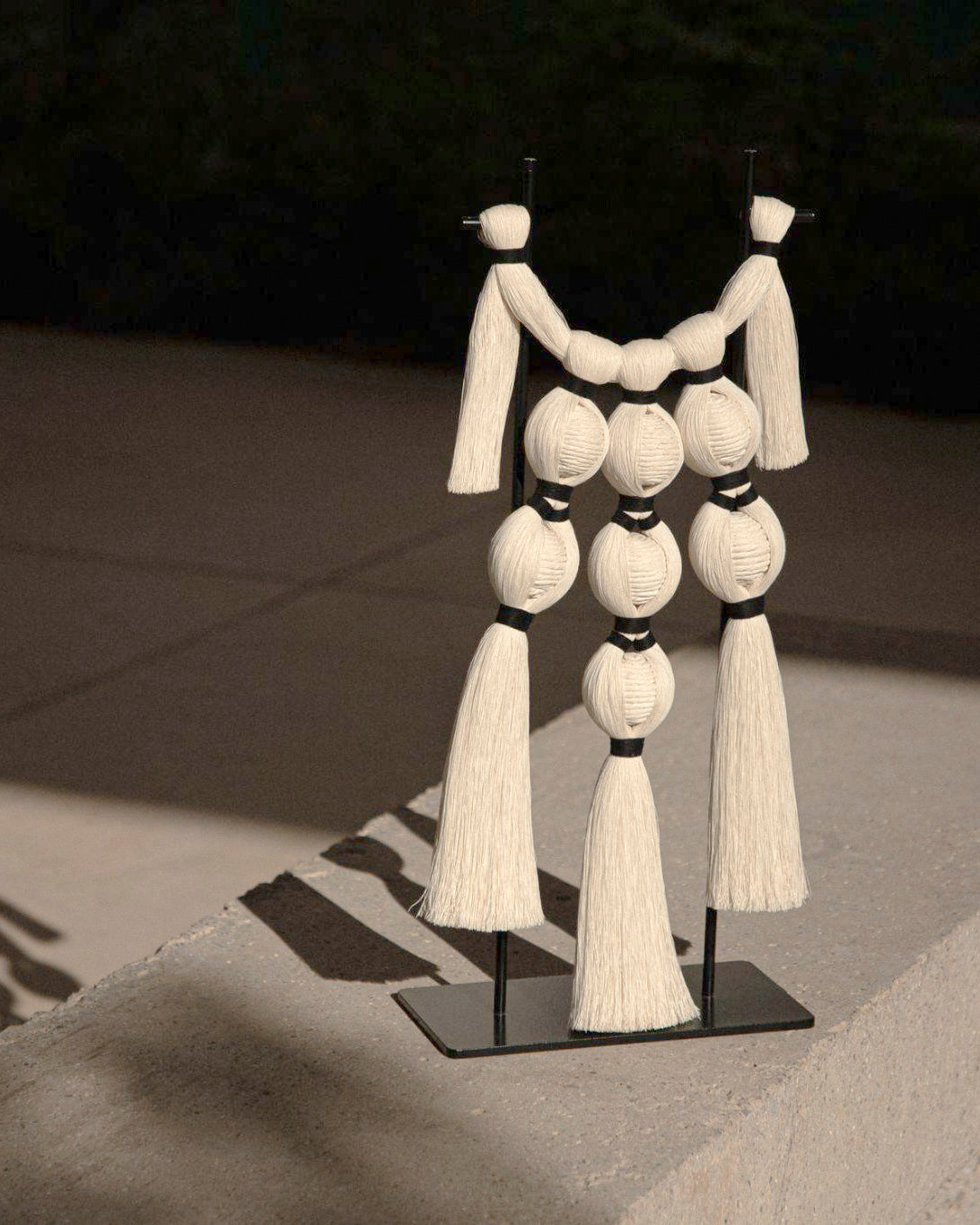
Caralarga takes something that would normally be considered waste and turns it into sculpture.
The founders began the brand after realizing that weaving imperfections and textile waste could be transformed into handcrafted sculptures
Their process is highly manual and deeply connected to traditional Mexican craftsmanship. They work alongside artisans and preserve techniques that have been passed down through generations.
Because of this, every piece has subtle variations, and the result feels much closer to a work of art than a conventional piece of decor.
There’s also something particularly special about where their production takes place: a 19th-century textile factory.
Think about the connection.
A historic textile factory, where fiber remnants are intervened by artisans working with techniques rooted in centuries of tradition, and give birth to contemporary designs.
Caralarga doesn’t try to transform the raw material into something it isn’t. Instead, they leave it as it is; honest, and recognizable.
And that is precisely what makes the final pieces so compelling.
01. Utilitario Mexicano
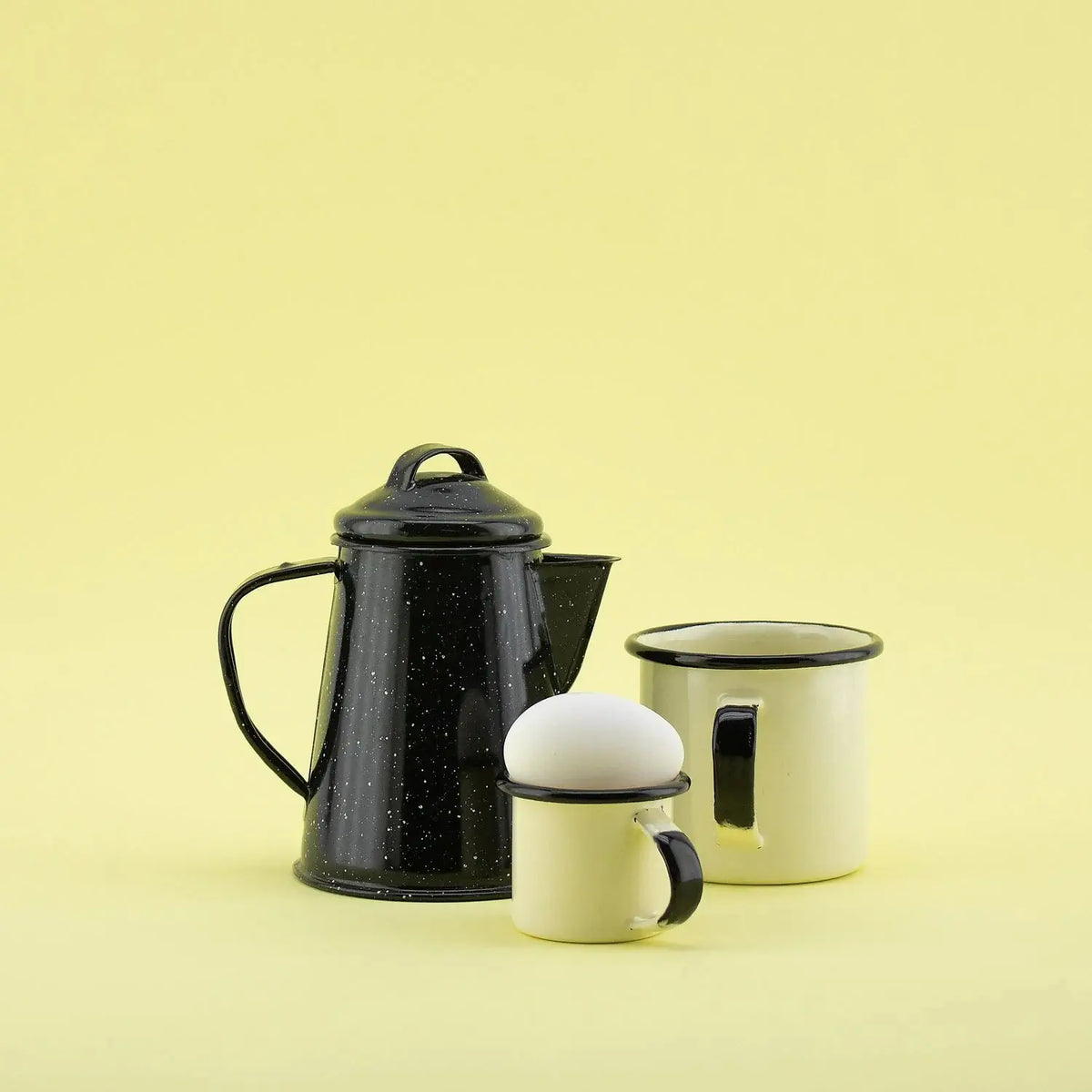
What if the most ordinary objects in our homes were actually pieces of cultural heritage?
That’s the question that comes to mind when I look at Utilitario Mexicano.
The brand is dedicated to preserving, valuing, and documenting everyday objects that are deeply embedded in Mexican life—and that could potentially disappear in the years to come.
Their mission? To search for objects at risk of extinction.
The Colombian couple behind the brand travels through Mexico looking for everyday objects that they find beautiful and worth preserving. What I find especially interesting is the way they look at things we have become completely accustomed to.
A pitcher. A strainer. A dish towel.
Things that may seem completely ordinary to us can suddenly look incredibly beautiful when viewed from the outside. Their design, materials, colors, and cultural significance become much more visible when we step away from the familiarity of everyday life.
Each object tells a story about how daily life is lived inside Mexican homes.
In a way, Utilitario Mexicano is creating a physical archive of everyday life in Mexico—giving cultural and aesthetic value back to objects that we may have stopped noticing.
If you’re visiting Mexico City, you can find their store on Marsella Street in Colonia Juárez.
These three brands remind me why I love discovering design from Mexico.
They are not simply making beautiful objects. They are preserving, questioning, reinterpreting, and giving new meaning to the materials, traditions, and everyday rituals that surround us.
And that’s exactly the kind of design I want to bring into Fely Home.
